


Vanni Rosini is a PhD student in History at the University of Florence. His master thesis focused on the expulsion of Italian Levantines during the Italo-Turkish War in 1912.
***
In June 1912, Italian journalist Renato La Valle found himself on the third class promenade deck of the steamer Tasso en route to Naples from Istanbul.
Two weeks earlier, the Sublime Porte had ordered the summary expulsion of all residents holding Italian citizenship. The imperial decree (iradè) was issued in response to Italy’s invasion of Ottoman Libya.
La Valle’s reporting included conversations with refugees and was subsequently published in Il Giornale d’Italia, a newspaper for which he was the leading Ottoman correspondent.

La Valle noted that the deported “Italians,” spoke a “strange French-Greek-Italian language,” highlighting the multifaceted nature of what is called “levantinità” (Levantine culture) in Italian. This term collectively referred to the diverse Levantine communities that established their presence in Ottoman commercial and port cities like Istanbul, Izmir, Thessaloniki and Alexandria. They were known by Ottomans as “Freshwater Europeans” (Tatlısu Frengi) due to their lifestyle and to the fact they had lost the maritime spirit of their ancestors, the adventurous merchants who sailed from the independent Italian states to the Eastern Mediterranean in the eleventh century.
I read La Valle’s article as I perused the Historical Diplomatic Archives of the Italian Foreign Ministry in Rome, discovering the names and voices of hundreds of Levantines who were expelled. For many, the Italian ‘homeland’ was a nebulous country they had never set foot in.
Collectively referred to as Piccola Italia d’Oriente (Little Italy of the East), the exodus forced this community to leave behind what La Valle referred to as the “poisonous Levantine milieu” of the Ottoman port cities and to rediscover their ‘national’ roots while making amends for what peninsular Italians like La Valle conceived of as “unpatriotic mistakes,” like leading their lives far from Italy.
And yet, when Italy attacked the Ottoman Empire and attempted to seize its territory, it was these same ‘unpatriotic’ Levantine communities who faced reprisals, viewed by the land they called home a potential fifth column.
The Evolution of the Levantino
La Valle’s article is a striking example of the propagandistic instrumentalisation of the expulsion, promoted by Italian authorities and echoed by a national press that consistently depicted Italian Levantines as deceptive profiteers lacking a national identity, exotic figures at the crossroads between the Ottoman Empire and the Italian Kingdom. These stereotypes were so widespread that even today, the term “levantino” describes a cunning individual in the Italian language, and in English the verb “to levant” came to mean “to run away from a debt”.
The construction of this persistent conceptualization of the Italian Ottoman communities as “Levantines” traces back to their emergence in the Levant region of the Eastern Mediterranean. Their ancestors initially arrived as descendants of merchants serving the Italian “maritime republics” — Venice, Genoa, Amalfi and Pisa — who established commercial enterprises in warehouses called fóndachi, from the Arabic فندق (funduq).
The trading centers were scattered across port cities in Palestine, Lebanon, and Syria. Historians set the appearance of these commercial hubs around 1082, when the Byzantine emperor Alexios I Komnenos granted the Venetians a district within Istanbul (then Constantinople) where they could build houses, shops, places of worship and burial sites while freely conducting trade without being subjected to taxes and interference from rival powers.
Although the Levantines were not linked to a specific religion, the vast majority professed Roman Catholicism. There was a smaller component of Protestants and Jews. Nor was the community united by a single language or ethnic origin, as the community included people with Italian, Greek, Maltese, French or British roots.
The Levantines were divided into varying legal statuses under Ottoman governance. A first differentiation was between Ottoman Latins, i.e. Catholics, who were non-Muslim subjects of the Empire, and foreign Latins, or Levantines. The former, who remained in Constantinople after the fall of the city to the hands of Ottomans in 1453, belonged to the mass of individuals subjected to what the Sultan called reʿâyâ (رَعَايَا); while the latter returned or came to the Empire during subsequent centuries. These continued into the nineteenth century when political exiles from the unification of Italy, a process known as Risorgimento, took refuge on the shores of the Bosphorus. As foreign citizenship holders, they were not obliged to follow Ottoman law. They counted on a European passport and the privileges it entailed, or, as many local Armenian Catholics, Greeks and Jews did, they enjoyed the status of “protected” (beratlı) subjects granted by European consulates.
This legal regime of capitulations allowed the Levantine collectivity to endure in a somewhat hostile environment. The Ottoman sultan granted these treaties to Christian nations conferring privileges such as freedom of residence, cult, trade, property and autonomous jurisdiction in both civil and penal affairs involving non-Muslims. This context of extraterritoriality outside the framework of the millet system enabled Levantines to preserve their costumes, habits and legal prerogatives within an enclosed social, religious and cultural reality in which they could carry out their own lives. They were free to refuse to learn Turkish, instead primarily communicating in three languages: French as the idiom of culture, Italian of trade, Istanbul Greek of everyday life.
Hybridity defined the milieu, made up by a very large number of families that could be composed of, as the president of the Dante Alighieri Society Giovanni Zaccagnini wrote in 1909, “an Italian grandfather and Armenian grandmother, Italian father and Greek mother, Ottoman uncle and Russian aunt.” Languages connected to alleged national origins were no longer spoken. Individuals negotiated their affiliations, advancing identification claims according to circumstances.
For example, if a European passport holder was to get married to a non-Muslim Ottoman subject — usually Eastern Christians such as Greek Orthodox, Armenians, or Syriacs— the father or husband’s European nationality would prevail over the Ottoman one, determining the women and children’s nationality.
‘Anti-Models’ of the Nation
By the nineteenth century, nationalist intellectuals in Italy began to consider Levantines as “antimodels of the nation.” Simultaneously, the modern Italian nation-state began founding schools and associations promoting Italian culture and language in the Ottoman Empire, attempting to turn the Levantines into ‘proper’ Italian subjects.
The history of the Ottoman Levantine communities merged with Italy’s desire to unify what it considered the scattered Italian federation abroad amid the imposition of its commercial presence in the Eastern Mediterranean. The Italo-Turkish war of 1911-12 and the subsequent expulsion of Levantines was a general rehearsal for the dissolution of multinational societies around Mediterranean port cities.
Coping with the loss of colonial possessions in East Africa after the disastrous battle of Adwa in 1896, Italy entered competition with European powers to secure a “place in the sun” in Northern Africa. It aimed to swiftly get its hands on Ottoman Libya.
Italy declared war on the Sublime Porte in September 1911, invading Tripolitania and Cyrenaica. The Ottoman cabinet temporarily abrogated the capitulations, spreading fears of an oncoming legal assimilation between Ottoman and Italian subjects. Documents in the Historical Diplomatic Archives in Rome show how Italians were tried both in civil and penal cases without the intervention and support of German consular authorities, entrusted with the protection of their rights during wartime.
Besides implementing punitive measures to damage Italy’s economic interests in the Empire and make life difficult for Italian subjects such as extra taxes, banning the purchase of properties, and firing hundreds of workers employed in railway construction, the Ottoman government started expelling individuals. In October, Guglielmo de Bondini, director of the Italian-French bilingual newspaper La Turquie, founded in 1906 in Constantinople, was exiled from Ottoman territory and his journal banned.
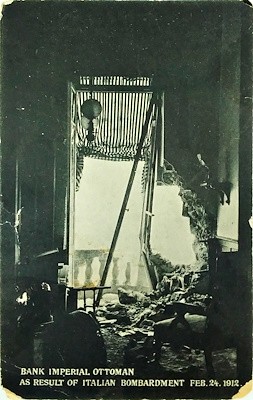
In February 1912, Italy spread the conflict beyond Libya, bombing Beirut and causing extensive destruction. Italians residing in the vilayets of Beirut, Aleppo and Damascus were forced to leave the Empire. Despite being formally spared from the decree, members of the religious personnel belonging to the missionary order of the Barefoot Carmelites were prompted to close schools, orphanages and hospices.
It was not until after the Italian occupation of Rhodes and other islands of the Dodecanese archipelago that a decree was officially issued to expel Italian passport holders across the Ottoman Empire.
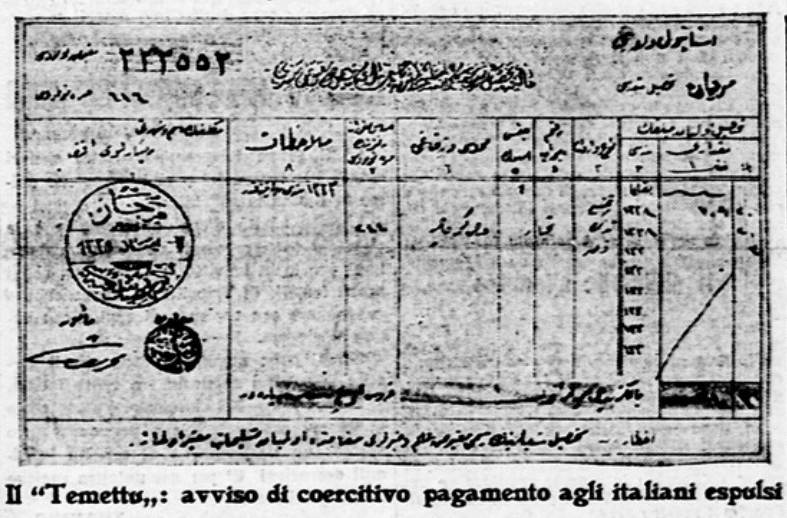
Within two weeks, individuals with Italian citizenship were ordered to leave with exceptions made for the elderly, widows, clerics, and workmen. The Italian state carried out evacuations with rented steamers from European navigation companies through an ancillary network of consulates and port offices.
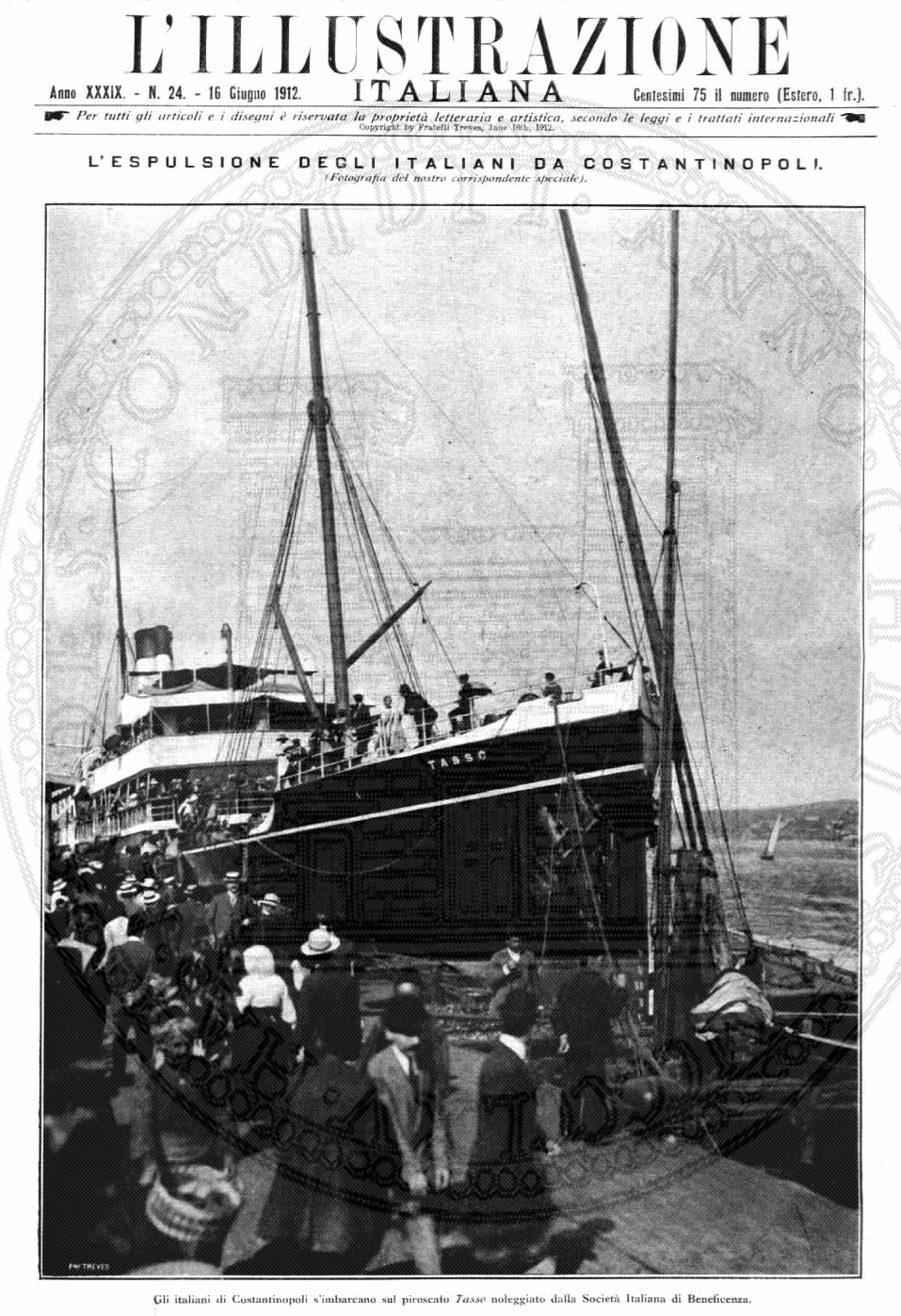
In just a few months, Italy dealt with a flow of almost 10,000 refugees. Many others fled to places closer to their native cities in Greece, the Italian-occupied Aegean islands, Cyprus, or Egypt, hoping for a rapid resolution of the war.
Refugees who made it to Italy were welcomed in temporary structures such as former military barracks and hospices. The Ricovero in Niguarda, near Milan, became an efficient reality, reproducing the dynamics of a small town, with a postal service and a civil registry office.
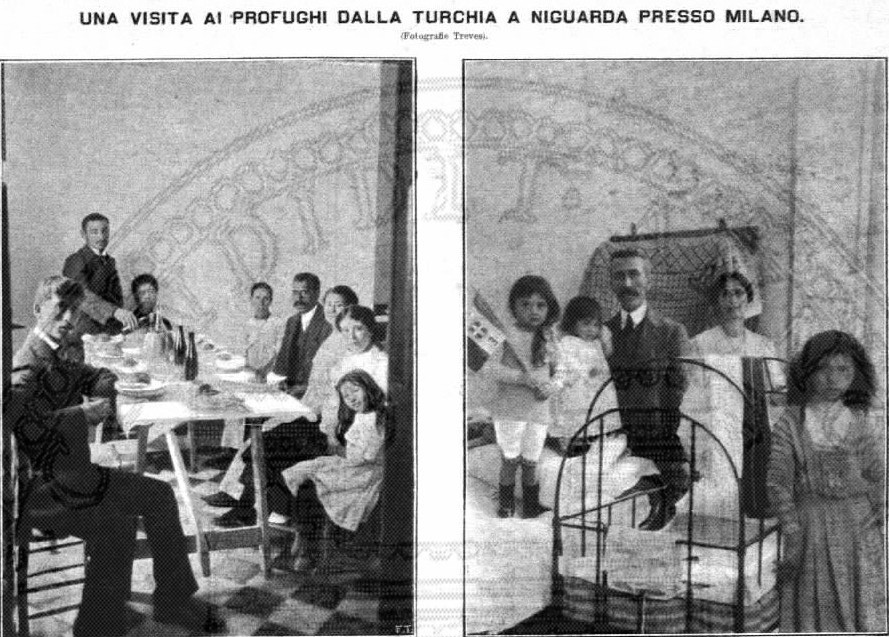
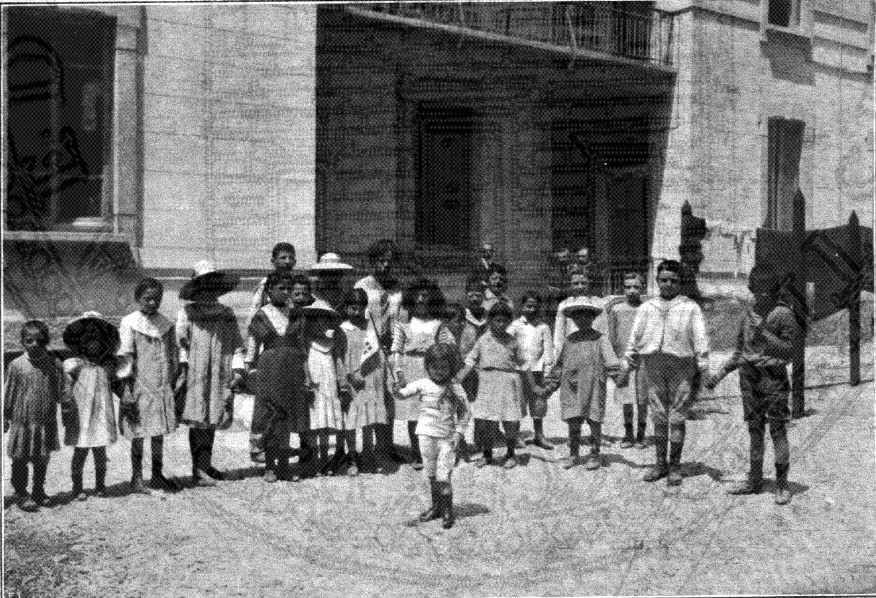
Bottom photo: Expelled children in the courtyard of a former tobacco factory, Bari, Italy. (Source: L’Illustrazione Italiana, June 1912, Courtesy of the Italian Ministry of Culture – Library of Archaeology and Art History)
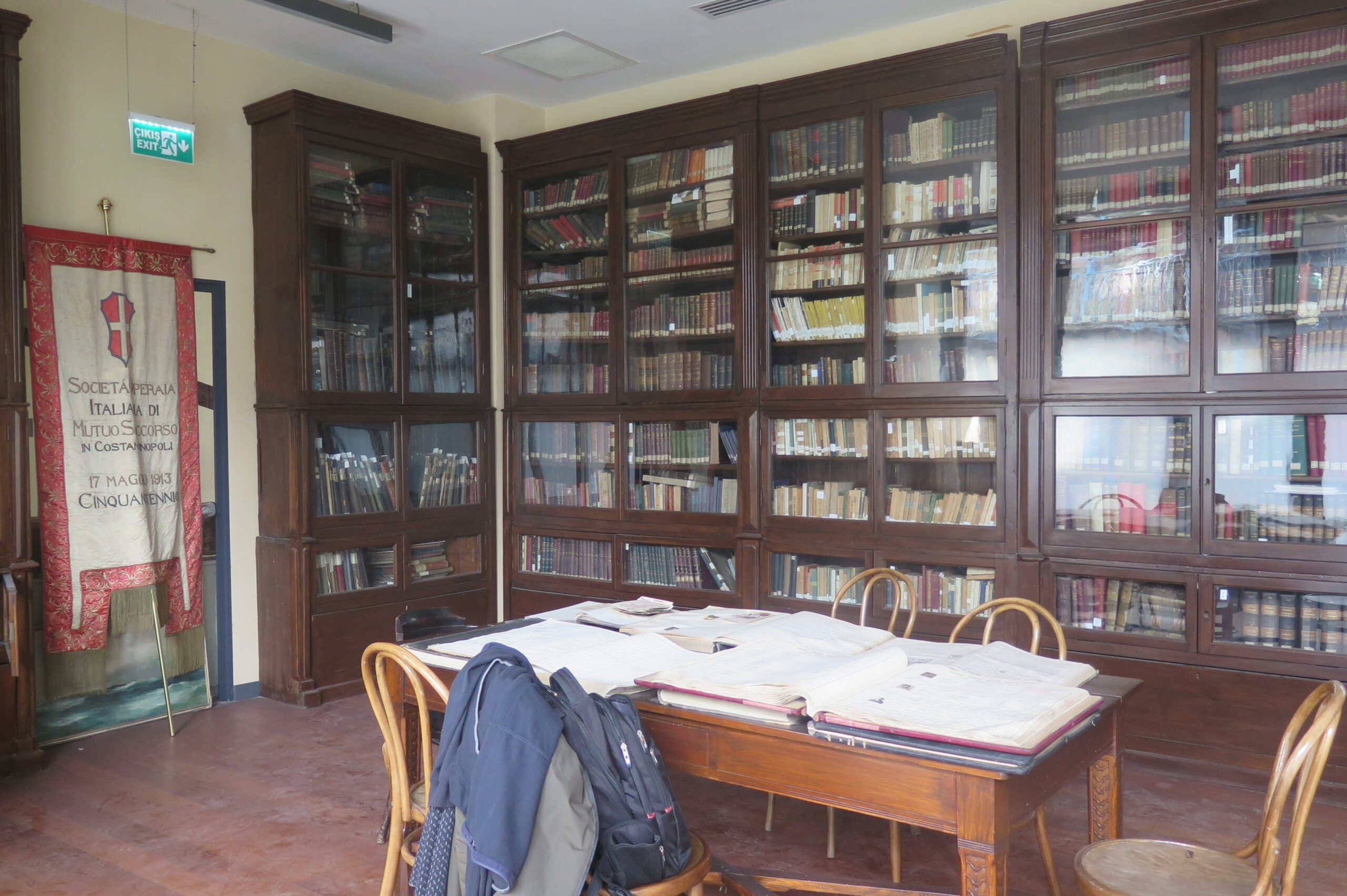
The void left by the expulsion was filled by thousands of claims sent to Italian authorities. The registers of the Workers’ Mutual Aid Society, an important association that represented the Italian collectivity in Istanbul until they were abruptly closed, specified the extent of the economic damages they suffered and their formal requests for reparations. From aristocratic families to shopkeepers and workers, these sources sketch a comprehensive picture of the Levantine milieu.
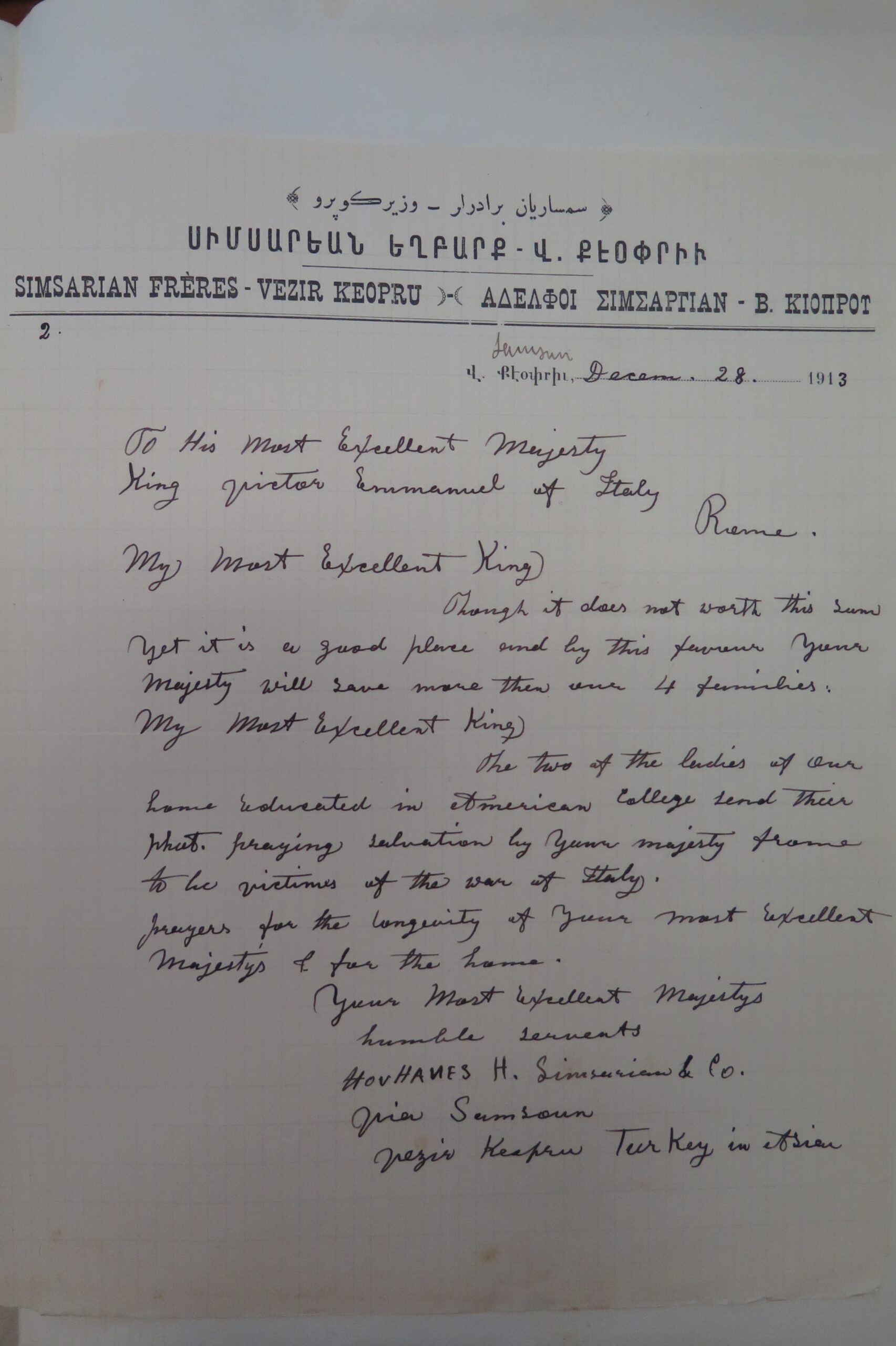
Gustavo Delpino, who worked as director of the Ottoman quarantine station of Kamaran island in the Red Sea and later as head of the Health Office of Thessaloniki, asked the government if it could get him a position in the Italian Health Administration. The Armenian Hovhannes Simsarian from Vezirköprü in northern Anatolia, probably an Italian protégée (beratlı), wrote a letter in English invoking the help of Italian King Victor Emmanuel III to cope with the financial losses caused by the war. In another case, Marco Levi, an Italian Jew expelled from Smyrna, modern-day Izmir, said he had been mistakenly declared an Ottoman citizen due to a case of homonymy, but he hadn’t actually changed his nationality. He feared being seen as a traitor by Italian authorities, losing privileges and rights granted by his citizenship.
The war and ensuing expulsion violently ripped apart the possibility of Levantine identification. It fit into a wider context of wars, ethnic cleansings, demographic dispossession which dramatically reshaped the Mediterranean, pursued by Italy, the Ottomans, and nationalists of many other stripes.
Italy sought to nationalize Levantines into proper ‘Italians,’ and by launching wars on the country where they lived, turned the community into a potential fifth column. The Ottomans responded by demanding Levantines become Ottoman citizens or be expelled. Even after the Ouchy Treaty was signed in October 1912, none of these actors recognized any need for recognition and compensation for the community.
Levantines in Modern Turkey
Hundreds of Levantines renounced their citizenship and adopted Ottoman passports to avoid expulsion. And many expelled Levantines returned to their Ottoman homeland after the Treaty of Ouchy was signed in October 1912, ending the war. These two groups form the core of Turkey’s small Levantine community today. Their total number was around 5,000 in 2020, according to Turkish academic and expert on minority studies Baskın Oran. This figure includes foreign citizens, dual-passport holders, and Turkish citizens, who are not legally recognized as a minority by the state.
Levantines today tend to erase the expulsion from family memories or to downplay its significance, a collective phenomenon of historical amnesia or selective forgetting. This was clear to me when I conducted a series of interviews with members of the community in Istanbul between 2023 and 2024. Some of the families I encountered were not even aware that the expulsion had ever taken place, or that some of their members, whose letters and documents I later found in Italian archives, had been expelled.
Over time, some Italian Levantines have achieved a certain fame also within Turkish society. From journalist Gilberto Primi (1897-1955), editor of the newspapers Beyoğlu and Il Messaggero degli Italiani, to the acclaimed actor and film critic Giovanni Scognamillo (1929-2016), a living memory of the old Levantine Pera, to the essayist Willy Sperco (1887-1978), author of a biography of Mussolini, one of Atatürk, and many other works on Istanbul.
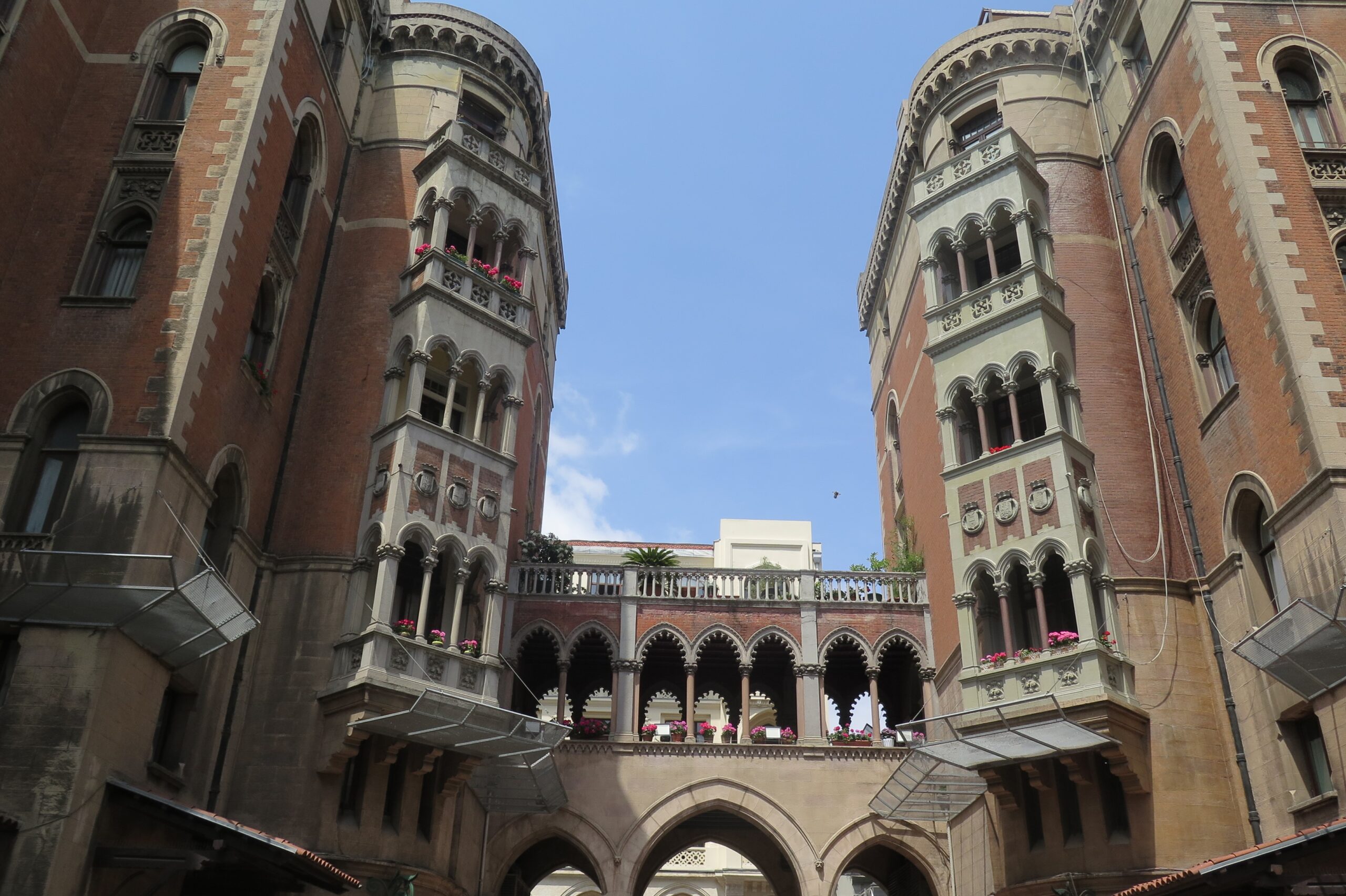
Generally, they preserved their identities privately, while largely identifying as foreigners in Turkish society. This led to the disappearance of the community and to a gradual decline of its social and cultural life. Voices from inside the Levantine community, such as Scognamillo, argue that Levantines were victims of their own “colonial outlook,” manifested in their refusal to learn Turkish and to fully integrate into Turkish society. Others, like Adriano Marinovich, claim that the Levantines’ isolation was necessary to defend their religion and languages in the face of Turkish nationalism.
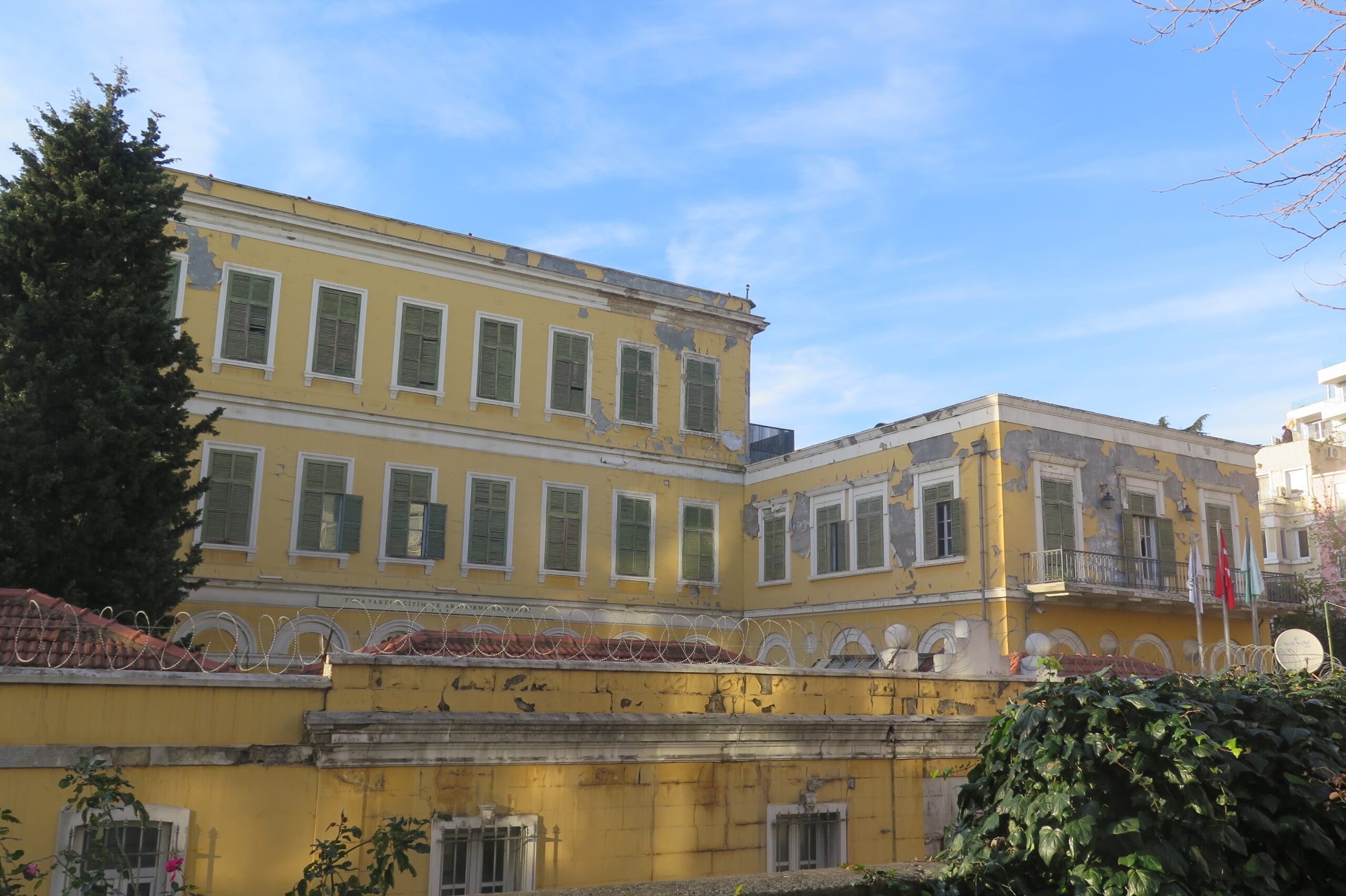
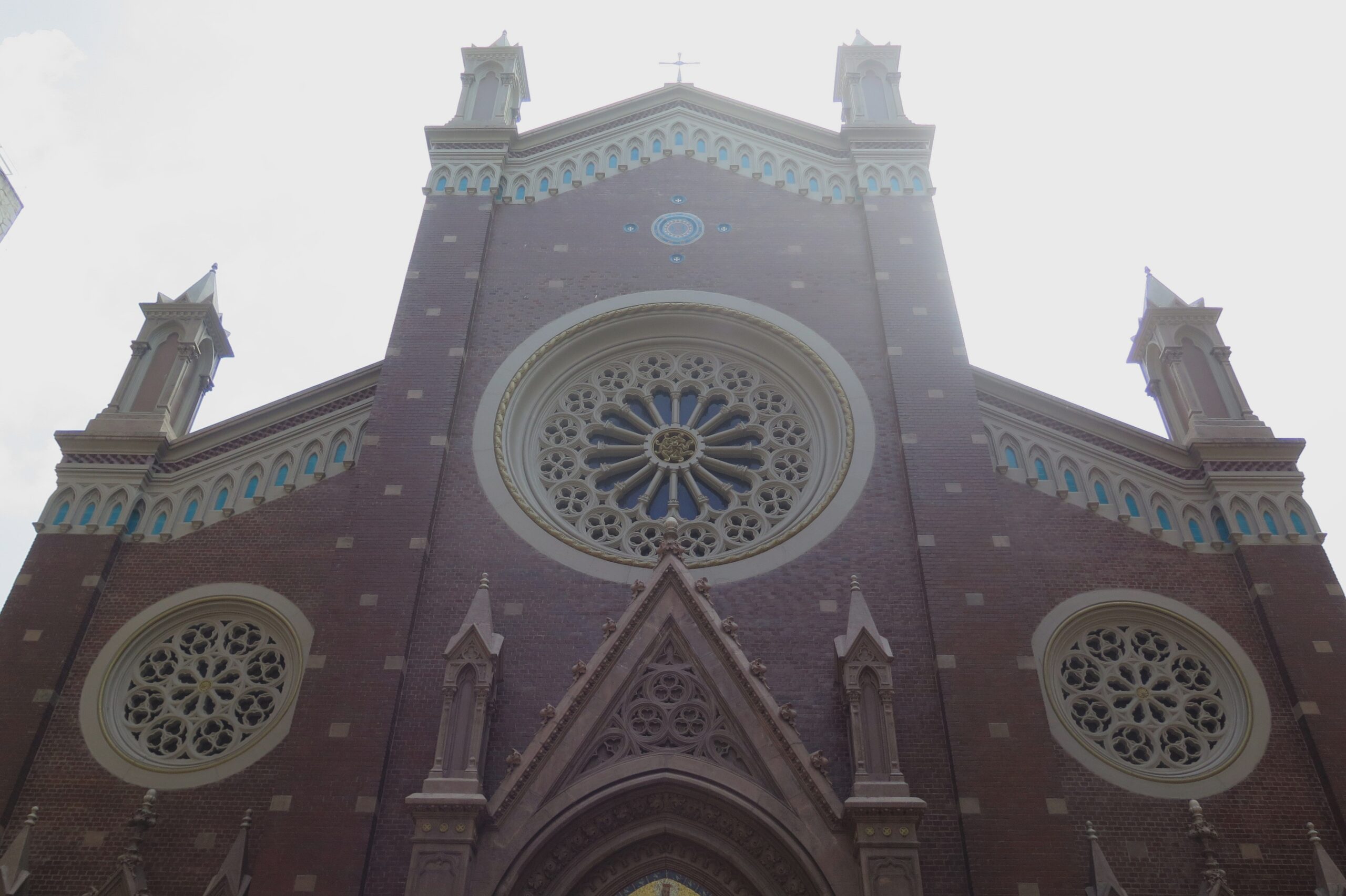
What remains of Levantine culture is a secluded world where institutions, places of socializations and cultural circles have become little-known vestiges of a museumized past populated by ghosts and forgotten stories. Entering the Workers’ Mutual Aid Society in Istanbul, also known as Casa Garibaldi, in honour of the legendary Italian revolutionary who helped found it in 1863, I was struck by the vivid contrast between the bustling atmosphere of the nearby İstiklal Street and the heavy silence hovering above the old furniture and dusty library registers. The Circolo Roma, founded in 1931 by important personalities of the community, is now a meeting point for Italian expats, no longer bound to the memories of the Levantine collective. The churches where Catholic Levantines gathered to pray are now homes of new vibrant communities of African and Southeast Asian worshippers. The majority of Istanbul’s modern residents ignore the history of the Levantines even as they walk past mansions and buildings echoing their existence, much needed reminders of the lost cultural synthesis of the Ottoman world.
Discover more from Ajam Media Collective
Subscribe to get the latest posts sent to your email.


